
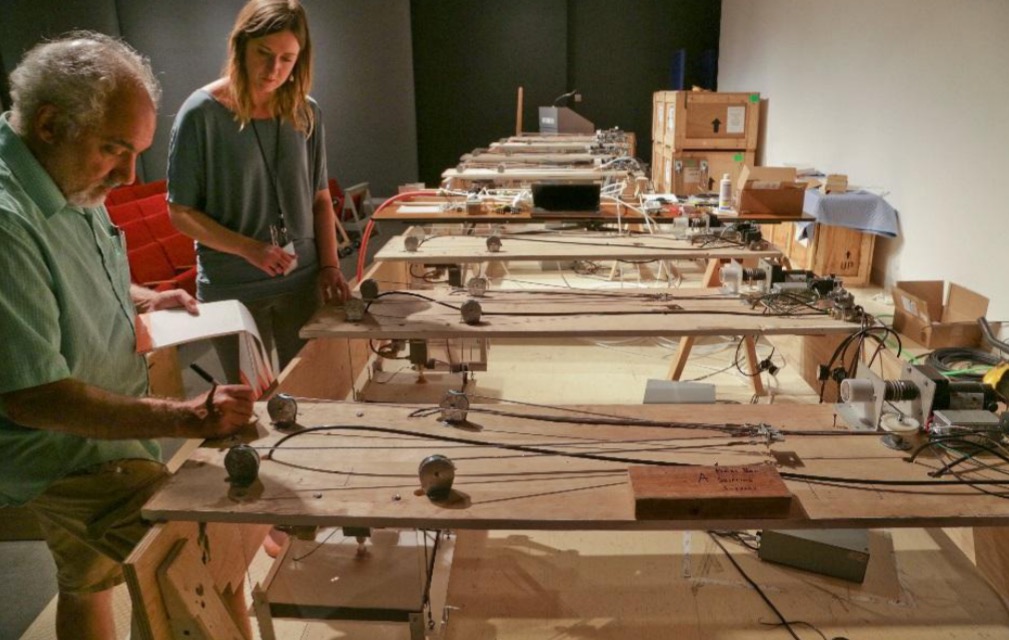
As conservators of contemporary art, we work to analyze artists’ techniques and materials and preserve artworks for future generations. We are also committed to researching and discovering new and improved ways to care for and interpret artworks to ensure that these works continue to express their makers’ original creative visions in the years to come. In the course of our research, we actively engage with both the artists and the artworks in ways that enhance our understanding of how the artworks were originally made and how, based on their materials, they might change over time.
No two artworks are alike. In some cases, our goal is to simply prevent the artwork from degrading over time. In other cases, we determine which inevitable physical changes might be acceptable to the artist and to the continued appreciation of the artwork. Coupled with our strong focus upon materials science and analytical research, our work contributes to establishing a fuller picture for each of the unique and individual artworks that compose the Hirshhorn’s collection and helps guarantee that they can be enjoyed long into the future.
An important component in working with artists is our artist interview program. Initially developed in 2013, this program has evolved to become an integral aspect of our conservation practice, providing means for gathering information that cannot always be obtained through more traditional forms of analysis. Designed in close step with the work of our fellow leaders in the field, this program is geared to provide a platform for capturing the artist’s voice over time, beyond the often acquired “artist statement.” These intimate conversations offer us the opportunity to dive into the artist’s creative process, materials, techniques, and evolving attitude toward his/her work on a deeper level. With this program also comes the responsibility of evaluating the role of language and memory as we interpret and apply the artist’s words into our conservation practices.
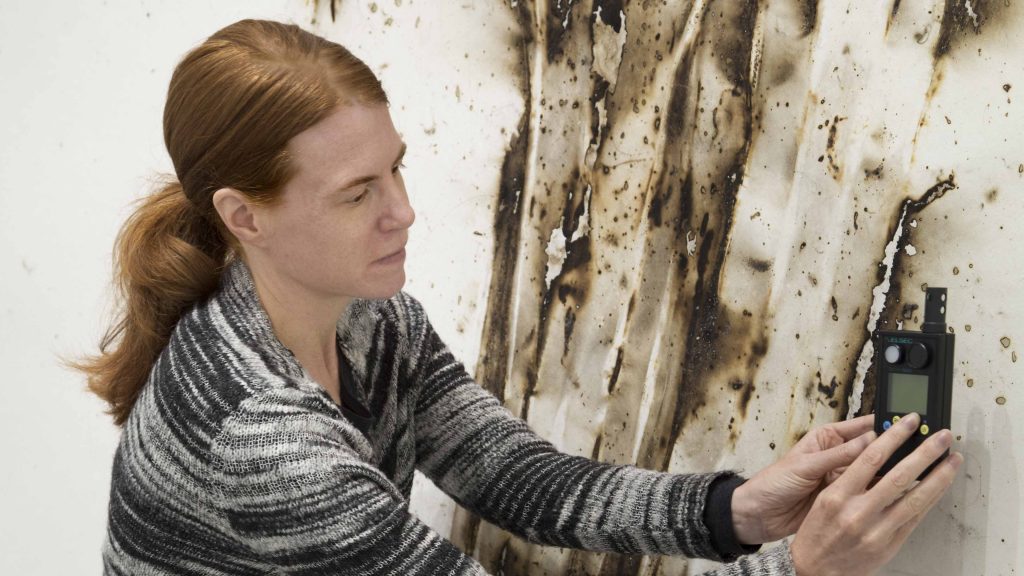 Preventive conservation encompasses myriad activities that support the long-term preservation of the varied materials that compose artworks. This goal is achieved by creating conditions that slow deterioration and minimize risk of physical damage to the Museum’s collection, thus ensuring that future generations will have access to the Hirshhorn collection. Conservators engage in routine preventive care on a daily basis, both providing recommendations for safe handling and display and storage, and recording and monitoring environmental trends. Their expertise in identifying artists’ materials and understanding the response of those materials to the environment (light, temperature, relative humidity, and atmospheric pollutants), as well as their physical vulnerabilities during use (studying, transporting, and displaying collections), greatly informs preventive conservation activities. Best practices are guided by scientific research as well as the artist’s intent – the latter is an important consideration when working with a modern and contemporary collection. Preventive conservation is a team effort that relies on close collaboration between conservators and allied professionals such as registrars, art handlers, building maintenance staff, and mechanical engineers.
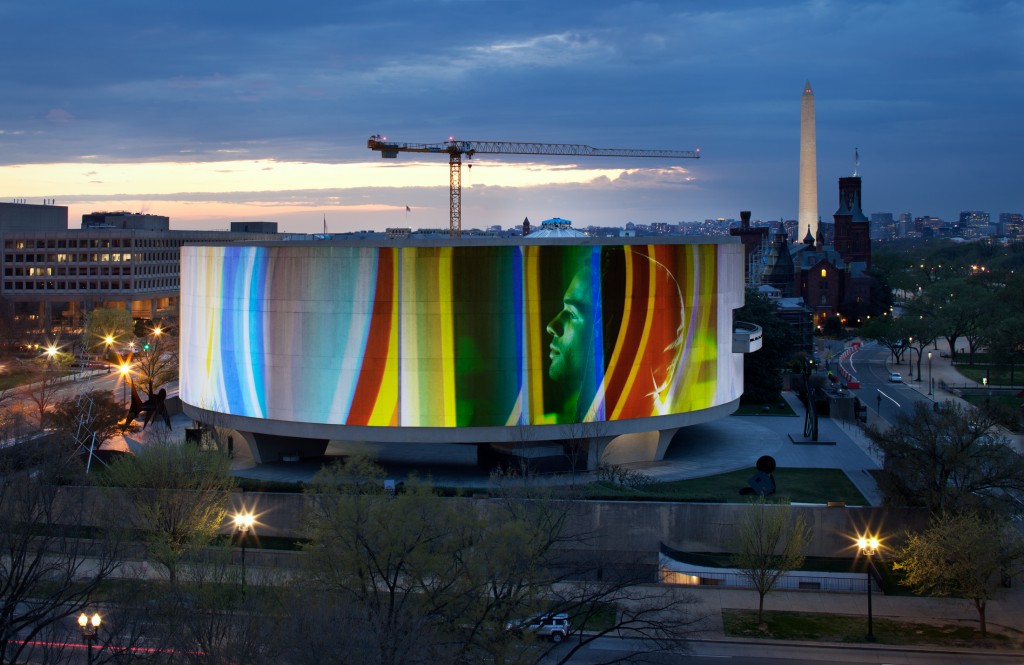 Time-based media includes film, video, digital, audio, computer-based, web-based, performance, and installation art. The technology-based components of these pieces present unique challenges for conservators, requiring extensive documentation and research at the time of acquisition and installation to ensure preservation. As media technologies have a relatively short lifespan before becoming obsolete, the long-term preservation of these artworks is a discussion that requires constant attention. Additional considerations arise when projectors or monitors have an integral or sculptural role in the overall aesthetic of the artwork. The migration of digital artworks from one technology to another is an acceptable form of long-term preservation, but there is some risk involved in this approach. Any shift from one format to another introduces new artifacts and the potential loss of subtle intangible qualities that are integral to the obsolete technologies chosen by the artist. In response to these complex challenges, the Hirshhorn staff has formed a media preservation team to collaboratively seek out solutions. Members of this team are also very active participants in the Smithsonian Time-Based Media Working Group and in the development of preservation initiatives that explore best practices for the long-term care and preservation of time-based media artworks.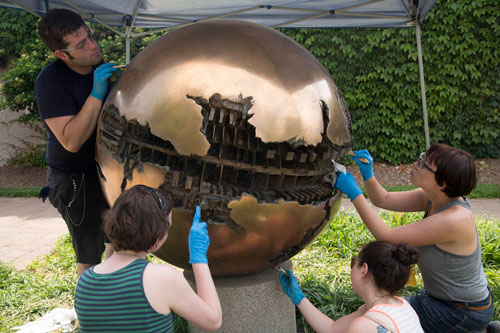
The Hirshhorn Museum Conservation Department accepts inquiries regarding graduate-level conservation internships and encourages candidates to submit applications via the Smithsonian Online Academic Appointments external application portal (SOLAA) at https://solaa.si.edu.
Any questions should be directed to [email protected].
